Trusted El Cajon Top Landscaping Services for Residential and Commercial Properties
Upgrade Your Outdoor Area: Expert Garden Design Tips for a Gorgeous Home Landscape
Reshaping an outdoor space into a stunning residential landscape demands thoughtful planning and purposeful execution. By assessing the specific features of a yard, homeowners can define clear garden objectives. Choosing vegetation that flourish in the regional conditions is vital. In addition, adding functional landscape elements improves both visual appeal and functionality. Nonetheless, the path doesn't conclude there. Discovering how to preserve environmental sustainability and vibrancy can boost any garden to new heights. What approaches lead to enduring success?
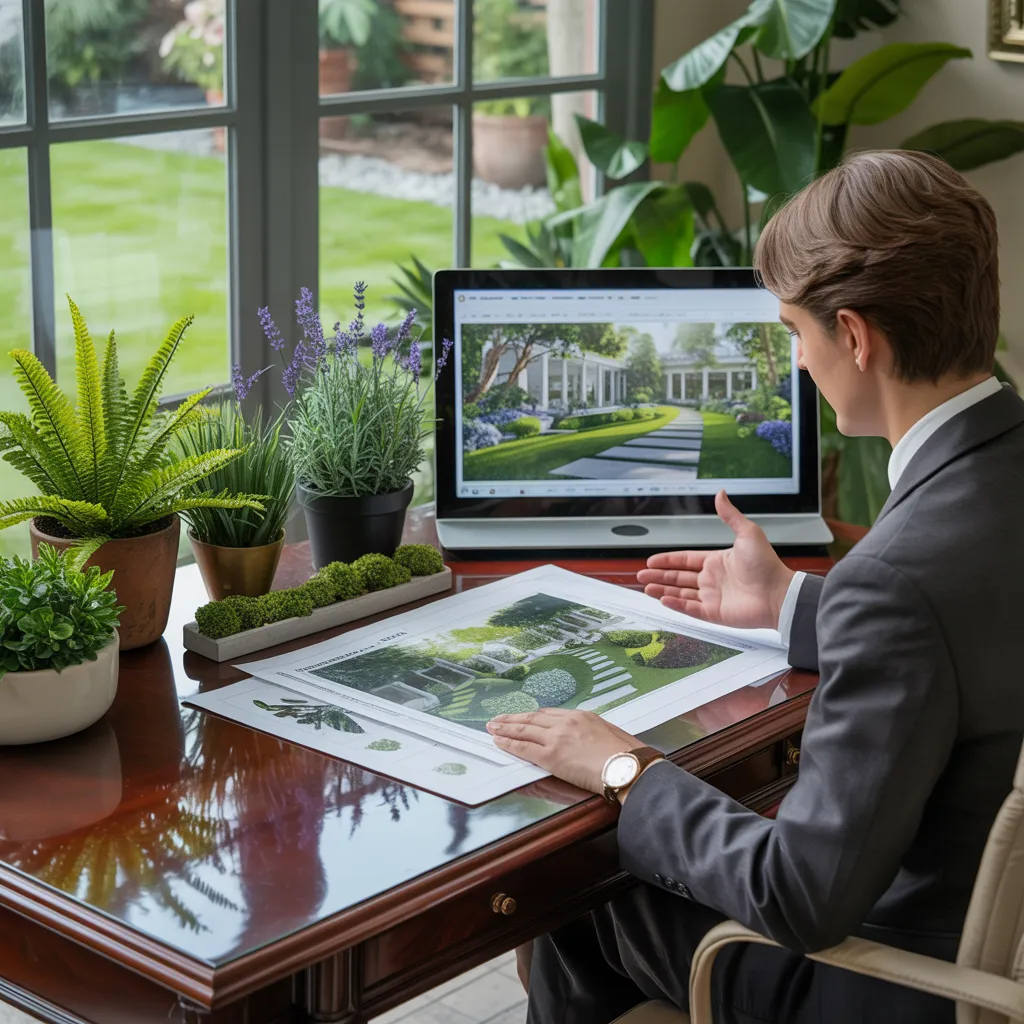
Evaluate Your Outdoor Area to Establish Your Garden Objectives
Before proceeding with any landscaping effort, it is essential for residents to completely evaluate their exterior area. This initial evaluation allows them to grasp the distinct characteristics of their yard, including light exposure, ground quality, and existing plants. Finding these elements helps in determining which types of design features and landscape can be successfully integrated into the area.
Homeowners should record dimensions and document any obstacles such as vegetation, barriers, or pathways that may affect the layout. Additionally, recognizing individual tastes and lifestyle needs—including entertainment spaces, gardening, or leisure—can guide the garden objectives. By clearly defining these goals, property owners establish a strong base for a cohesive and functional exterior space. This thoughtful assessment results in a more successful and satisfying garden renovation, ensuring that the exterior environment not just improves the home's aesthetic but also satisfies the functional requirements of its inhabitants.
Determine the Perfect Plant Selection for Your Local Environment
Choosing the right plants for a specific climate is vital for creating a thriving outdoor space. Comprehending regional climate conditions, including temperature ranges, precipitation, and moisture levels, helps property owners select plants that will flourish. Indigenous vegetation often adapt best, needing minimal upkeep and irrigation. For example, water-efficient plants are perfect for dry climates, whereas moisture-loving species flourish in moisture-rich environments.
Gardeners should also consider climate variations; selecting plants that provide year-round interest improves the landscape. Spring-flowering plants, warm-season vegetation, and colorful autumn leaves can create a dynamic visual experience. Furthermore, speaking with neighborhood nurseries or agricultural resources can provide helpful information into durable vegetation adapted for particular regions.
Finally, a well-planned vegetation arrangement enhances not just visual appeal but also promotes native fauna and advances environmental sustainability, which makes it a smart decision for any exterior area renovation.
Enhance Your Garden With Functional Hardscaping Elements
Functional hardscaping elements prove essential in creating exterior layouts and enhancing their usability. By integrating seating zones and well-designed pathways, homeowners can create charming outdoor spaces that encourage relaxation and movement. Additionally, edging can separate different zones within the garden, providing organization and visual interest.
Define Your Exterior Space
Creating a well-defined outdoor space can convert a yard into an inviting retreat. One proven method to achieve this is through functional hardscaping elements, which establish structure and organization. Walkways made from brick or stone guide guests while adding visual interest. Support walls can create tiered levels, enhancing the garden's overall design and stopping soil loss. Fencing or trellises can mark borders, providing privacy and a feeling of containment. Incorporating raised garden beds not only defines planting areas but also improves accessibility. These elements work harmoniously to establish separate areas that enhance both aesthetics and functionality. Ultimately, a well-defined outdoor space creates a peaceful setting where homeowners can unwind and appreciate the outdoors.
Integrate Seating Areas
Incorporating sitting zones into an outdoor space greatly enhances its usability and appeal. By adding practical hardscape features, homeowners can establish welcoming areas for rest, gathering, or appreciating the outdoors. Options include benches, patio sets, or hammocks, each contributing to the garden's aesthetic and coziness. Strategically placing seating near focal points, such as flower beds or water features, encourages users to engage with their environment. Additionally, selecting materials such as wood or stone can complement the garden's design, maintaining visual unity. Overhead coverings, such as pergolas or umbrellas, provide comfort during warmer months, making these areas usable year-round. Ultimately, expertly crafted sitting zones transform an ordinary garden into a pleasant sanctuary for loved ones and guests.
Design Pathways And Borders
Pathways and edges serve as important features in exterior landscaping, guiding visitors through the garden while enhancing its overall structure. They produce an atmosphere of arrangement and direction, supporting the separation of distinct regions and vegetation. Materials such as pavers, gravel, or stone can be used to establish durable paths, while natural borders made from hedges or ornamental barriers can enhance visual appeal. Additionally, pathways can promote discovery, guiding eyes to centerpieces like garden beds or fountain features. Properly designed borders can also stop unwanted plant growth and ground degradation, promoting garden wellness. Ultimately, integrating pathways and borders not only increases practicality but also elevates the aesthetic charm of the outdoor space, making it more inviting and enjoyable.
Create Flow With Walkways and Seating Areas
A well-designed outdoor space often features a harmonious flow achieved through thoughtfully placed pathways and seating areas. Pathways guide visitors through the garden, creating a clear sense of direction while enhancing the overall aesthetic. Using materials like stone, gravel, or wood can contribute to the pathway's visual appeal and guarantee durability.
Seating zones supply stopping places, welcoming people to rest and savor the setting. Placing seating thoughtfully near key features, such as a pond or a garden bed, inspires connection with the landscape. The type of seating—stools, benches, or even recliners—may shape the feeling, whether it be informal or elegant.
Blending pathways and seating zones creates an appealing atmosphere, improving practicality and satisfaction. Used together, they form a fluid movement across multiple regions of the garden, inspiring wandering and peace, finally converting any outdoor location into a serene hideaway.
Infuse Your Garden With Seasonal Color and Texture
To strengthen the visual attractiveness of a landscape, deliberate curation of seasonal plantings is essential. Blending diverse textural characteristics can introduce layers and fascination, meanwhile deliberately arranged focal areas can command views and forge a balanced plan. Each feature together ensure a vibrant and dynamic garden environment during the entire year.
Choose Seasonal Plants Thoughtfully
Selecting seasonal plants thoughtfully can reshape your garden into a colorful and textured paradise. By opting for plants with varied blooming seasons, gardeners can ensure a perpetual floral display. Spring bulbs, summer color plants, autumn perennials, and winter evergreens each contribute unique hues and forms to the landscape. It is essential to take into account local climate conditions and soil types, as well as the plants' development requirements. Local native plants often flourish with reduced upkeep needs, promoting ecological diversity. Additionally, blending plants of assorted heights and flowering schedules can produce a striking visual impact. Ultimately, deliberate plant selection fosters a garden that evolves with the seasons, providing beautiful scenes every season.
Create Textured Layers For Depth
Building garden depth involves layering textures that complement and enhance seasonal color. By incorporating a variety of plants with differing foliage shapes, sizes, and colors, one can achieve a visually dynamic landscape. For instance, the use of broad-leaved plants alongside fine-textured grasses can create contrast and intrigue. Additionally, integrating bark, stones, and other natural materials brings in textural qualities that enrich the overall experience. Flowering displays should be thoughtfully placed to offer color bursts across seasons, ensuring that each layer remains visually interesting. This thoughtful arrangement not only draws the eye across the garden but also develops an absorbing environment where every detail contributes to the garden's beauty and harmony.
Incorporate Design Anchors With Intent
Intentionally placing visual centerpieces can remarkably boost a garden's aesthetic quality and seasonal richness. These focal points serve as anchors that draw the eye and create a cohesive design. Gardeners can apply elements such as sculptures, ornamental trees, or vibrant flower beds to establish visual interest. Seasonal blooms can be infused through the careful selection of plants that bloom at different times, keeping the garden animated year-round. Surface textures also hold importance; blending flat stone surfaces with uneven bark or thick plant life adds depth. By thoughtfully placing these elements, a gardener can create an inviting atmosphere that encourages exploration and appreciation, transforming an outdoor space into an engaging retreat.
Implement Responsible Methods to Foster a Healthy Garden
Adopting environmentally-conscious approaches is necessary for building a flourishing garden that grows in alignment with the ecosystem. Growing specialists are recommended to employ native plants, which demand lower water and maintenance while enhancing area fauna. Using organic gardening approaches, including organic waste management and chemical-free pest management, can remarkably cut synthetic chemical use, creating a stronger environment.
Water-efficient strategies, such as precision irrigation and rainwater harvesting, optimize eco-friendliness by optimizing efficient resource allocation. Mulch application not only preserves soil water additionally prevents invasive vegetation, decreasing the demand for chemical weed control. Moreover, fostering biodiversity by including varied vegetation builds resistance to harmful organisms along with infections.
Soil quality is vital; strategies including crop cycling and protective cropping keep nutrient content minus artificial nutrients. Through adopting these eco-friendly methods, gardeners can establish an excellent space supporting plant life and the environment, resulting in a more rewarding growing experience.
Resolve Typical Issues to Keep All-Season Landscape Beauty
A well-kept outdoor space can confront multiple challenges year-round, altering its combined aesthetics as well as vigor. Frequent challenges consist of pest issues, nutrient shortages, and insufficient water. Spotting pests quickly is critical; plant growers should frequently examine plant parts for injury marks plus address pest outbreaks with chemical-free pesticides alternatively adding beneficial insects.
Lacking minerals often appear as discolored leaves along with limited growth. Running soil examinations can enable establish specific needs, allowing for targeted fertilization Insufficient nutrients frequently manifest as leaf yellowing as well as limited growth. Performing soil tests can help pin down individual necessities, making possible precise nutrient supply restoring balance. Furthermore, securing appropriate watering is important; too much water can result in root rot, on the other hand insufficient watering pressures vegetation.
Seasonal shifts moreover require adjustments to maintenance. Throughout winter, applying mulch safeguards root areas from frost, whereas the summer season could necessitate higher water needs and partial shade to protect sensitive get started plants. By handling these typical problems promptly
Is it Better to Handle Landscaping Myself or Engage a Landscaper?
You can certainly complete garden work independently, leveraging internet information and your creativity. Yet, engaging an expert ensures proficiency, productivity, and better outcomes, particularly for advanced designs or extensive work that need expert knowledge.
Which Items Are Required for Yard Landscaping?
Essential items for yard landscaping include a garden rake, garden shovel, spade, pruning shears, cultivator, and a hose or watering can. These tools help efficiently manage soil, plants, and general garden upkeep, providing quality landscaping
How Do I Maintain My Landscape Throughout the Seasons?
For preserving a yard year-round, you should consistently shape plants, use wood mulch for protection, check soil moisture, and establish seasonal planting methods. Furthermore, insect control and feeding are vital for lush, healthy development.